
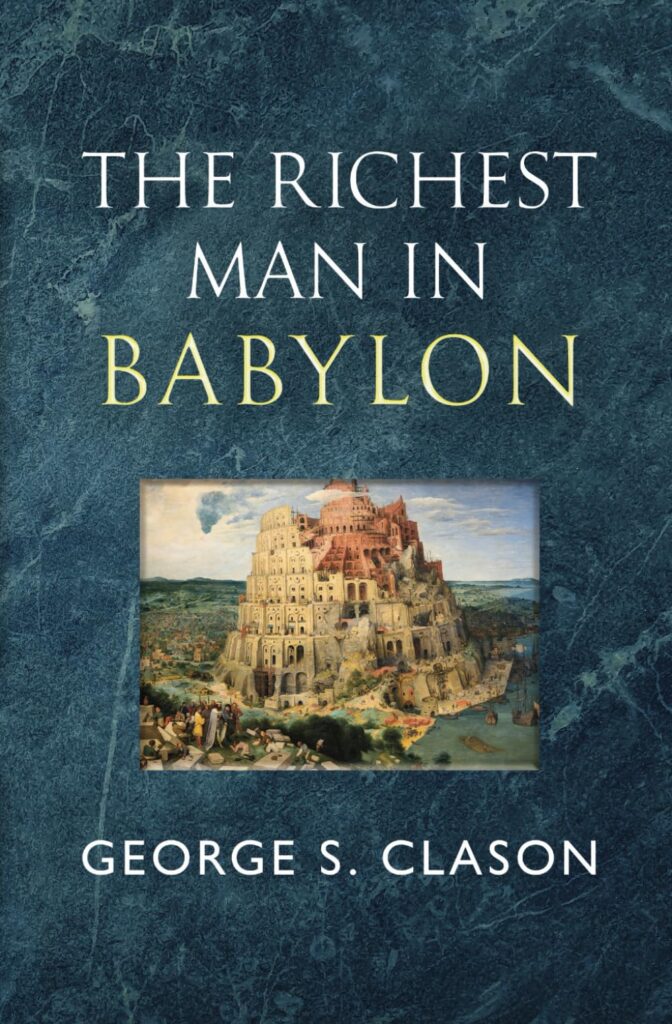
The Richest Man in Babylon
Discover the Ancient Secrets to Building Lasting Wealth
Financial advice rarely sticks, but wrap it in a good story, and it becomes unforgettable. Set in ancient Babylon, this timeless classic delivers money wisdom through short, memorable parables that are as entertaining as they are practical.
Through characters who struggle, learn, and ultimately prosper, George S. Clason makes complex financial concepts feel intuitive. Pay yourself first. Live below your means. Put your money to work. These principles have guided readers for nearly a century because they’re delivered not as lectures, but as stories that stay with you.
First published in 1926, The Richest Man in Babylon has helped millions take control of their finances. It's the rare book that’s both a quick read and a lasting guide - one you'll find yourself returning to.
Interesting Facts
Started as Bank Pamphlets: The book began as individual pamphlets distributed by U.S. banks and insurance companies between 1920 and 1924. These financial institutions handed them out to customers as educational tools about thrift and saving. The pamphlets became so wildly popular that Clason bound them together into a single book in 1926.
Set 4,000+ Years Ago: The parables take place in ancient Babylon, over 4,000 years before the book’s publication. Clason chose Babylon because despite having no natural resources or geographical advantages, it became one of the wealthiest cities in the ancient world. This made it the perfect setting to prove that anyone can build wealth regardless of circumstances.
Author Was a Mapmaker: George S. Clason founded the Clason Map Company in Denver, Colorado. His company published the very first road atlas of the United States and Canada in 1923. Unfortunately, the map company didn’t survive the Great Depression, but his book outlived his business by nearly a century.
Main Character Arkad’s Journey: The protagonist Arkad starts as a poor scribe with an empty purse. Through applying financial principles, he transforms himself into the richest man in Babylon. The king of Babylon then commands Arkad to teach 100 citizens his wealth secrets so they can spread financial wisdom throughout the kingdom.
The Famous 10% Rule: The First Cure for a Lean Purse advises saving exactly one-tenth of all earnings. Arkad tells his students to take out only nine coins for every ten they earn. This “pay yourself first” concept became one of the most influential personal finance principles ever written.
Sold Over 2 Million Copies: The book has sold more than two million copies since its publication. It remains in print nearly 100 years later and is still regarded as a classic of personal financial advice. Modern financial experts frequently cite it as an influence on their thinking.
Author Lived 82 Years: George Samuel Clason was born November 7, 1874, in Louisiana, Missouri, and died April 7, 1957, in Napa, California. He served in the U.S. Army during the Spanish-American War and attended the University of Nebraska. He had two children who also became authors.
Illustrated Edition Worth $1,250: Clason published a special illustrated hardback edition in 1930 titled “The Richest Man in Babylon and Other Stories.” Today, this collector’s edition sells for approximately $1,250. The original was published just four years after the standard 1926 version.
Seven Cures Structure: The book organizes its wisdom into “Seven Cures for a Lean Purse” and “Five Laws of Gold.” The seven cures cover saving, controlling expenses, making money multiply, guarding treasures, owning your home, ensuring future income, and increasing earning ability. This clear structure made complex financial concepts accessible to millions.
Originally Titled “Gold Ahead”: Before becoming “The Richest Man in Babylon,” Clason’s book was called “Gold Ahead.” The title was changed to match the most famous parable in the collection. This marketing decision helped the book become instantly recognizable and memorable.
Published During Roaring Twenties: The 1926 publication came during an era of reckless consumer spending and buying on margin. Just three years later, the 1929 stock market crash proved Clason’s conservative advice prescient. His message about thrift and careful investing gained even more relevance during the Great Depression that followed.
Quotes
“A part of all I earn is mine to keep.” – George S. Clason
“Wealth, like a tree, grows from a tiny seed. The first copper you save is the seed from which your tree of wealth shall grow.” – George S. Clason
“As for time, all men have it in abundance.” – George S. Clason
“Men of action are favored by the Goddess of luck.” – George S. Clason
“Make thy gold multiply.” – George S. Clason
“Advice is one thing that is freely given away, but watch that you only take what is worth having.” – George S. Clason
“The more of wisdom we know, the more we may earn.” – George S. Clason
“Preceding accomplishment must be desire. Thy desires must be strong and definite.” – George S. Clason
“Where the determination is, the way can be found.” – George S. Clason
“Desires must be simple and definite. They defeat their own purpose should they be too many, too confusing, or beyond a man’s training to accomplish.” – George S. Clason
“If you pay everyone but yourself, you will be a slave all your life.” – George S. Clason
“Opportunity is a haughty goddess who wastes no time with those who are unprepared.” – George S. Clason
“Money is the medium by which earthly success is measured. Money makes possible the enjoyment of the best the earth affords.” – George S. Clason
“In those things toward which we exerted our best endeavors we succeeded.” – George S. Clason
“Gold cometh gladly and in increasing quantity to any man who will put by not less than one-tenth of his earnings to create an estate for his future and that of his family.” – George S. Clason
Ratings & Reviews
What do you think?
There are no reviews yet. Be the first one to write one.