
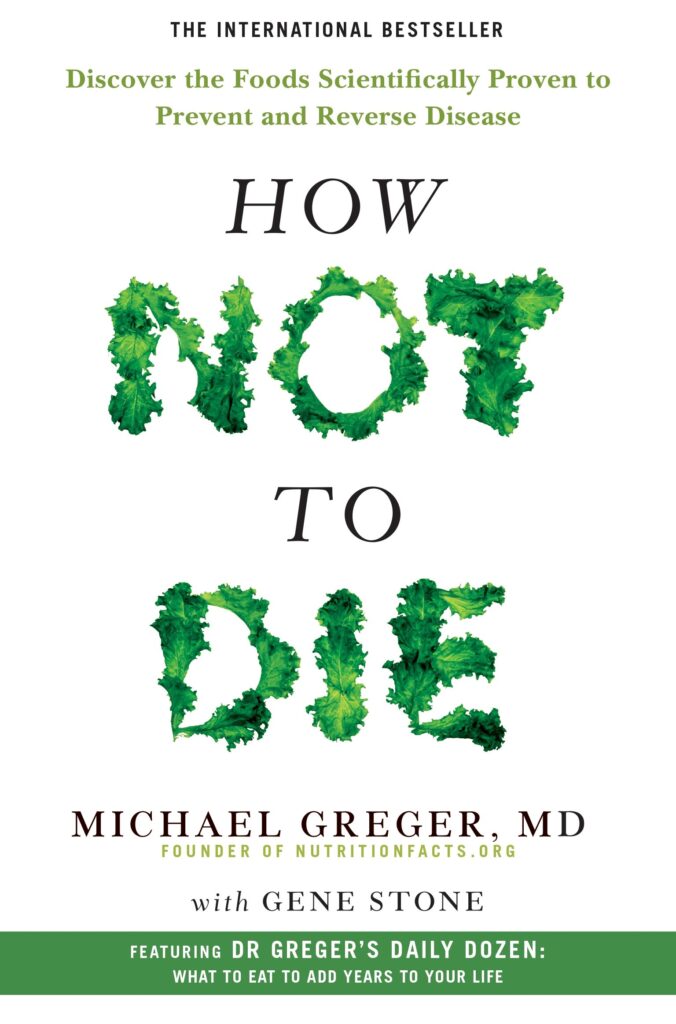
How Not To Die: Discover the foods scientifically proven to prevent and reverse disease
What if the power to prevent disease was already on your plate?
The vast majority of premature death and disability can be prevented through simple changes in diet and lifestyle. In this New York Times bestseller, Dr. Michael Greger, the internationally-renowned nutrition expert, physician, and founder of NutritionFacts.org, examines the fifteen top causes of premature death in America. From heart disease to cancer, diabetes to Parkinson's, he reveals what the latest science says about fighting back.
Most deaths in the United States are preventable, and they are related to what we eat. Dr. Greger shows how nutritional interventions can sometimes outperform prescription pills and surgical procedures. A whole-food, plant-based diet has been repeatedly shown not just to prevent disease but often stop it in its tracks.
Discover surprising findings: Hibiscus tea can work better than a leading hypertensive drug. Drinking coffee can reduce liver inflammation. Consuming soy is associated with prolonged survival for breast cancer patients.
The book includes Dr. Greger's Daily Dozen, a checklist of the twelve foods we should consume every day. Full of practical, actionable advice and surprising, cutting edge nutritional science, these doctor's orders are just what we need to live longer, healthier lives.
"Absolutely the best book I've read on nutrition and diet." — Dan Buettner, author of The Blue Zones Solution
Interesting Facts
All Profits Go To Charity: Dr. Greger donates 100 percent of proceeds from his books and speaking engagements to charity.
Sold Over A Million Copies: How Not To Die became a massive bestseller after its December 2015 release. It spent years on the New York Times bestseller list and has been translated into more than 34 languages worldwide.
Fifteen Leading Killers Examined: The book examines the top 15 causes of death in America, including heart disease, various cancers, diabetes, and Parkinson's. Each disease gets its own chapter exploring how diet can help prevent or reverse it.
The Daily Dozen Checklist: Dr. Greger created the Daily Dozen, a checklist of 12 food groups to eat every day. This practical tool includes beans, berries, greens, nuts, and whole grains to maximize health benefits.
Grandmother's Inspiring Recovery: Dr. Greger's grandmother inspired his medical career after reversing severe heart disease through diet. At 65, she was wheelchair-bound and given a death sentence, but a plant-based diet helped her walk 10 miles daily within weeks and live to age 96.
Founded NutritionFacts.org: Dr. Greger founded the nonprofit website NutritionFacts.org, which provides free daily videos on nutrition research. The site features over 2,000 videos and operates without sponsors, ads, or brand partnerships.
Turmeric Gets Star Treatment: The golden spice appears throughout the book as a powerful addition to meals. Greger suggests combining it with black pepper to dramatically increase absorption.
Exercise Gets Its Own Chapter: Physical activity earns dedicated attention alongside nutrition advice. Greger recommends 90 minutes of moderate activity or 40 minutes of vigorous exercise daily.
Hibiscus Tea Recommendation: The book highlights hibiscus tea as exceptionally beneficial for blood pressure. Greger calls it one of the healthiest beverages you can drink.
Two-Part Structure: The book divides into two main sections: Part 1 covers how to avoid dying from 15 diseases, while Part 2 explores specific food groups. This structure combines disease prevention with practical eating guidance.
Over 2,000 Studies Cited: The original book contains an enormous amount of scientific references. Greger built his arguments on peer-reviewed research from medical journals around the world.
Quotes
"Most deaths in the United States are preventable, and they are related to what we eat. Our diet is the number-one cause of premature death and the number-one cause of disability." - Michael Greger
"The primary reason diseases tend to run in families may be that diets tend to run in families." - Michael Greger
"Heart disease is the number-one reason we and most of our loved ones will die. Of course, it’s up to each of us to make our own decisions as to what to eat and how to live, but shouldn’t we try to make these choices consciously by educating ourselves about the predictable consequences of our actions?" - Michael Greger
"Given the right conditions, the body heals itself. If you whack your shin really hard on a coffee table, it can get red, swollen, and painful. But your shin will heal naturally if you just stand back and let your body work its magic." - Michael Greger
"I continue to be amazed by our bodies' ability for self-repair. ... Our bodies want to be healthy, if we would just let them." - Michael Greger
"With no serious downsides, a one-in-three potential benefit for end-stage cancer seems like it would spark further research, right? But who’s going to pay for a study of something that can’t be patented?" - Michael Greger
"The most ethical diet just so happens to be the most environmentally sound diet and just so happens to be the healthiest." - Michael Greger
"The best way to minimize your exposure to industrial toxins may be to eat as low as possible on the food chain, a plant-based diet." - Michael Greger
"healthiest diet is one that minimizes the intake of meat, eggs, dairy, and processed junk, and maximizes the intake of fruits, vegetables, legumes (beans, split peas, chickpeas, and lentils), whole grains, nuts and seeds, mushrooms, and herbs and spices—basically, real food that grows out of the ground. Those are our healthiest choices." - Michael Greger
"Eating greens nearly every day may be one of the most powerful steps you can take to prolong your life." - Michael Greger
"Back in 1903, Thomas Edison predicted that the “doctor of the future will give no medicine, but will instruct his patient in the care of [the] human frame in diet and in the cause and prevention of diseases.”" - Michael Greger
Ratings & Reviews
What do you think?
There are no reviews yet. Be the first one to write one.